Made this because of yet another Tumblr fiasco! Im a queer witch trying to find a new home that offers the same quirkyness as tumblr. But without the problems :)
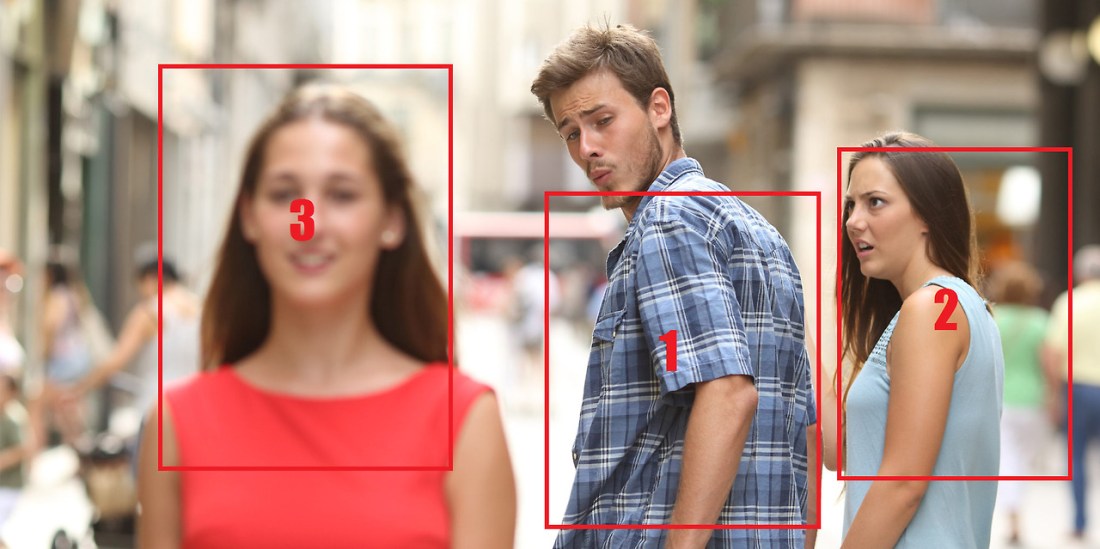
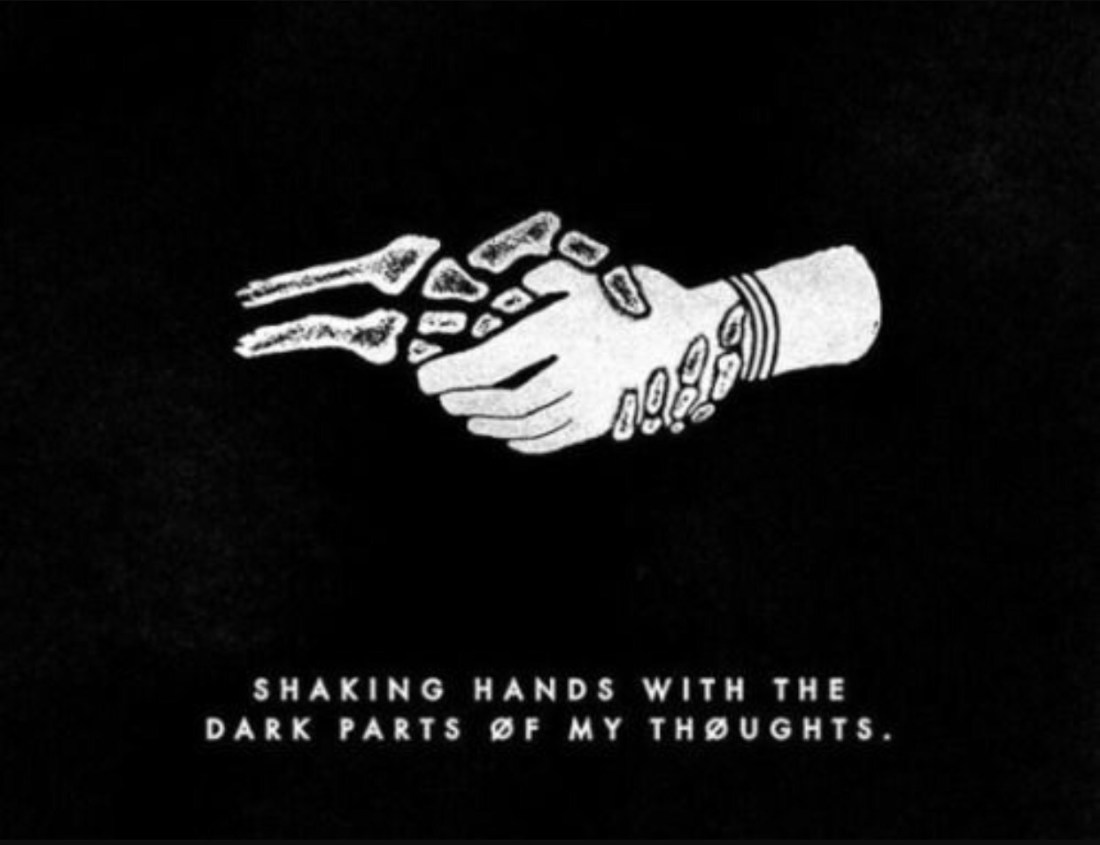
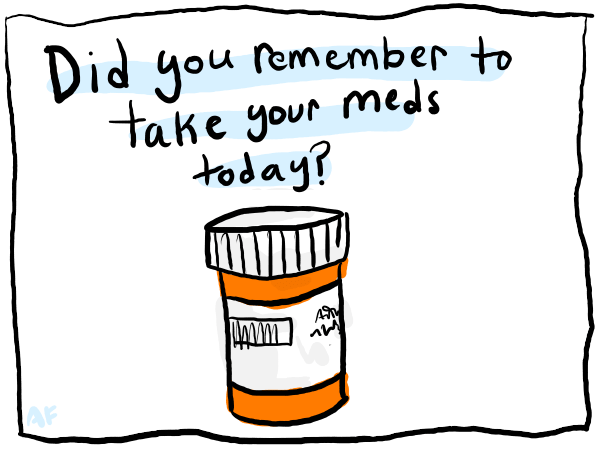
yesterday i realized you could totally use this as a tarot spread and i dont even really need to explain what each card would represent because of how memetic imagery works
no but in all seriousness, don’t force relationships and don’t force friendships. if these things aren’t flowing into your life naturally, you can do without them until they do.
Doubles are similar to familiars in the sense that they can be sent out from a witch in order to do a witch’s bidding. The key difference is that a familiar spirit is an entity separate from the witch themselves, whereas a Double is an extension of the witch’s physical self, of and belonging to themselves. Doubles often appear in an animal form, or a duplicate of themselves appearing lesser in substance. The Double is also referred to as the “second skin” or “daimon self”. Though they can be similar, the Double should not be confused with the fetch-beast. In Eva Pocs’ book “Between the Living and the Dead”, she describes how the the Double of a person is believed to possess substance: “According to the documentation, the alter ego is imagined to be a physical reality. This means that it was not a soul but a second body; and while it was of a more spiritual nature, it also had physical reality.”
The Double is often given to the witch by a spirit, such as in the case of the gift of an animal form that the witch could project themselves into and proceed forth. One can project a Double in much the same fashion as one can project a fetch-beast.
*source material referenced: “A Deed Without a Name: Unearthing the Legacy of Traditional Witchcraft” by Lee Morgan and “Between the Living and the Dead” by Eva Pocs.
Combine all ingredients! Use in pumpkin pie; pumpkin breads, cookies, and pastries; pumpkin coffee drinks; et cetera!
Chef’s Note: When it comes to spices (especially aromatic ones such as these), it is always best to use whole spices if you can. Carefully toast them in a dry pan until the aroma is strengthened, allow them to cool, and then grind them. This will enhance the flavor and aroma of the spice, giving you the full impact that it has to offer. I personally prefer to use a mortar and pestle (a kitchen one, separate from the one I use for spellwork), which takes more time, but preserves more flavor than a motorized grinder.
Magical Ingredient!
Now, I’ll be the first to admit that this recipe is magical in and of itself. Just the flavor alone is something that I crave and savor all year long. Many times has my boyfriend teased me about being a “basic white girl,” at which point, I often agree. I am that person who loves pumpkin so much that I’m there the first day those lattes come out at Starbucks. But what so few realize is that this spice blend is incredibly simple to make at home (and often tastes better than packaged pumpkin pie spice).
However, while I could go on all day about the magical uses for this blend, it would get rather redundant given previous articles about cloves, cinnamon, and ginger. So instead, I’m going to look at nutmeg!
Sweet, warm, and aromatic, nutmeg has an interesting history that is linked very strongly to imperialism, spice trade, and European colonization. The spice with which we are most familiar today is the seed of the nutmeg tree (myristica fragrans), but in truth, the whole fruit is edible and used in culinary traditions. The fruit is harvested from the tree and used in Indonesian cuisine as manisan, while the seed is dried until it separates from its outer shell. A bright red membrane which surrounds the nutmeg kernel inside is harvested and dried, developing a yellow-red color. This membrane, called the aril, is then sold either ground or whole as another familiar spice: mace.
The seed itself is the nutmeg spice with which we are most familiar – the kernel isolated from the fruit and aril. Sold either whole or ground, it is used in cuisines throughout the world and has a history of being used in many European meat dishes, as well as in pastries and spice blends.
Initially nutmeg, like many other spices involved in the spice trade, was a “trade secret” regarding its location. It grew naturally on the Banda Islands, and was traded with mainland Asia. Eventually, the commodity reached the port of Basra, where it was traded with Muslim sailors. From there, it was spread to the rest of Europe where it was prized for both its flavor and as a protective ingredient against plague.
Like many spices, it was part of what drove the Age of Exploration. By the 16th century, its production origins were discovered by Portuguese explorers. Banda was conquered and its spices – nutmeg, mace, and cloves – were traded with the sailors until the Dutch East India Company claimed the island in 1621 (this was not a particularly pleasant scenario – the indigenous Bandanese were effectively wiped out by European settlers through warfare, starvation, exile, slave trade, or disease).
British control of other Bandanese islands were conceded to the Dutch in exchange for Manhattan and New Amsterdam in colonial America, giving full monopoly over to the Company through much of the 17th and 18th centuries. During the Napoleonic Wars, however, Britain regained temporary control of the islands, and used the opportunity to transplant nutmeg trees to other colonies, establishing new plantations for the trade.
((Fun fact: Many foods cooked in colonial America involved the use of nutmeg as a primary flavoring agent. Vanilla was significantly harder to produce and obtain, but nutmeg was easy to transport and lasted much longer, making it a popular spice in the Americas!))
Today, nutmeg continues to be produced primarily in Indonesia and Grenada, which control the majority of the production of nutmeg and mace in the world market. It’s used in cuisines throughout the world, a wonderful flavoring agent for both sweet and savory foods.
In terms of medicine, nutmeg has traditionally been used to encourage digestion and relieve bowel cramping. Under Elizabethan rule, it was used to help ward off the plague due to its pleasant and calming scent (it was widely believed at the time that odor could carry disease). In modern medicine, nutmeg’s health benefits beyond nutrition are virtually negligible, but has been discovered to cause hallucinations in large doses. This is inadvisable, however, as nutmeg can be toxic in doses of more than one teaspoon. (Do not despair for the recipe above – it’s extremely unlikely that anyone would consume a whole jar of pumpkin spice in one sitting!)
Magically speaking, nutmeg is often associated with wealth, luck, love, and divination. Carrying the whole seed as a charm can bring luck in games of chance (making it quite popular in gambling spells), and can ensure good luck while traveling.
The seed can be carried in a purple sachet or strung on a purple thread as a charm to help encourage favorable decisions in legal matters.
Ground nutmeg has been used for money, divination, and love spells in several traditions – the powder can be added to money drawing powders and sachets, sprinkled into a lover’s shoes to encourage love, or added to drinks which can be consumed prior to meditation and divination to enhance clairvoyance or to be shared with a lover to strengthen relationships.
The essential oil of nutmeg can also be used in money-drawing oils, or warmed to provide the scent of the spice in order to provide comfort, peaceful sleep, and clarity in divination.
In food, as always, the associations carry over. This spice is very versatile, being used in dishes ranging from savory yellow vegetables to meat dishes such as haggis or roast beef. Pair it up with other spices and herbs with similar purposes, and watch the magic come to life!
So when you’re mixing up that pumpkin spice and adding it to your pie this year, be mindful of the history and uses that nutmeg possesses. It is rich and vibrant, both positive and negative. Like all ingredients in food, it is a living ingredient even when dried and ground. It makes for a wonderful experience in working magic into your meals each day!
if one more person “corrects” me about bird laws in the US I’m gonna yell. over 800 species of birds fall under the migratory bird treaty, including cardinals, blue jays, and a host of other “common” birds.
so to be clear:
no, it’s not just for raptors.
no it’s not just for endangered birds.
no, it’s not legal to take home any feathers.
yes, it is enforced.
yes, people get in legal trouble for having illegal bird parts every year.
no, you won’t be arrested if you or your kid takes home a feather from the park, that’d be a waste of government resources.
yes, you WILL get into deep deep trouble if you use those feathers for art or anything else and display, sell, or trade them.
yes, this is an important law.
no, it’s not going to and shouldn’t be changed.
yes, indigenous people have access to bird parts the rest of us cannot legally own.
no, that’s not unfair. it’s their right.
Stop!! Telling people “this only applies to endangered birds” bc you’re spreading misinformation about a For Real Federal Law thanks!!!
US witches – this is important. The list is long and basically, if it isn’t a domesticated species, it’s probably on the list. And no, you can’t just say it’s part of your religion. There is a very specific law that allows Native Americans the use of eagle feathers, but it does not provide a general religious exemption.
Now if you picked up a feather from the backyard and put it on the altar, don’t panic. It’s unlikely a park ranger will come search your house and arrest you over a random crow feather. Though I personally would be cautious about having a large collection of feathers or bird parts, including skeletons. And if you’re selling items on etsy made with feathers or other bird parts you’ve collected, you could potentially face fines and legal challenges.
Feathers you buy at craft stores are from domesticated species and often dyed to look fancier. It may seem less witchy to buy your feathers at Michael’s, but legally, it’s safer
“I am powerful. My energy is powerful. I am fortified, and I radiate strength. I am a being filled with vigor, and I hold the power to manifest whatever I may.”
A self-reminder that I told to a dear friend after I performed a spell in which I was reminded of my capacity. Now, a reminder to you all.
If you are writing any book about the end of the world, what you are really writing about is what’s worth saving about it.
Incoming: FREE TAROT READINGS (how to participate below)
I juuuust got a brand new deck!
This is the Art Nouveau Tarot Deck by Antonella Castelli.
It’s the first tarot deck I’ve ever bought. All others I ever had were handmade by me, so I’m really excited to discover this baby!
I’ll get the hang of it, and once I feel comfortable I’ll perform a few free readings.
Of how many cards? We’ll see. For how many people? Depending on how I feel. It’ll probably not be less than 10.
To request a free reading you must:
Be following me
Reblog this post
That’s it. I’ll get in touch in a few days via private message or ask (make sure the option is available else I won’t be able to contact you) after randomly picking the winners.



 Candlelight-magick